On the occasion of the Norway-Nepal Association’s 40th anniversary, we will publish interviews with people who have a relationship with the association. Follow along and get to know the association better!
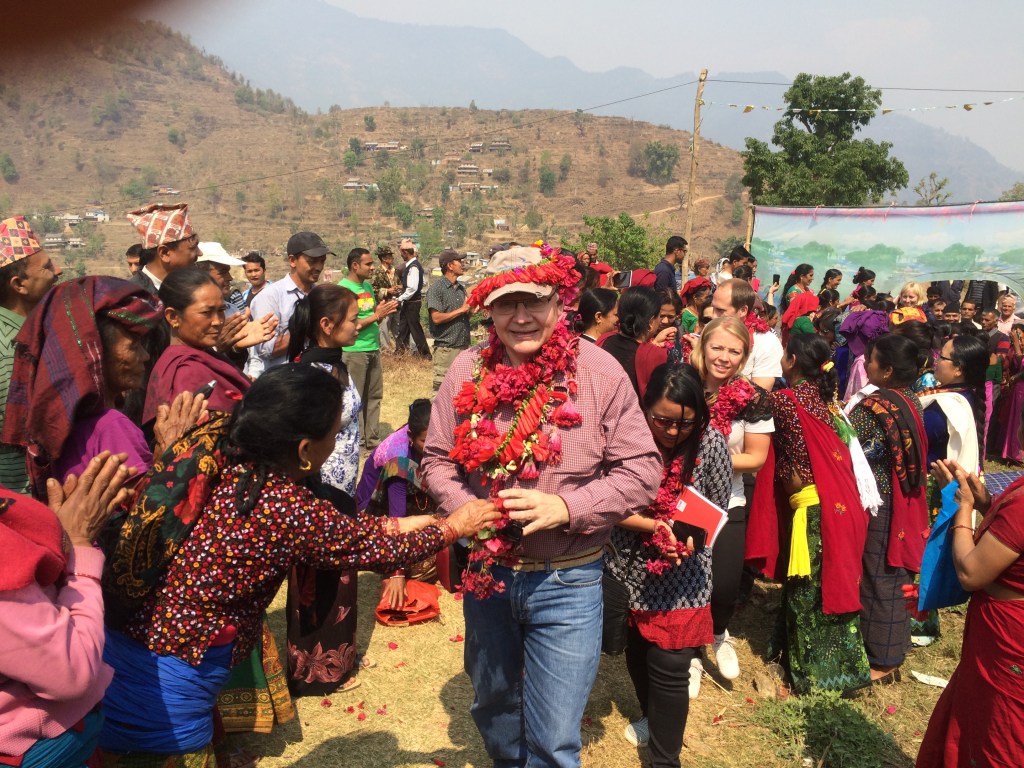
Hva var ditt forhold til Nepal før du ble Ambassadør, og hvordan endte du opp i Kathmandu? Gjennom fjellmiljøet i Norge hadde jeg hørt mange beretninger fra turer og ekspedisjoner til Nepal, samt at jeg hadde lest en del bøker som beskrev ekspedisjoner til Nepals åtte fjell over 8000m. I min tjeneste i UNIFIL i 1989-1990, ble jeg kjent med flere offiserer fra den nepalske kontingenten og fikk gjennom dem en viss innsikt i deres kultur.
Det var litt tilfeldig (som det ofte er i UD-systemet) at jeg ble utnevnt til ambassadør til Nepal i 2013. Jeg hadde ikke søkt stillingen, da jeg egentlig ville vente ett år til med ny utestasjonering etter Kina (2006-10). Da muligheten bød seg, var det lett å akseptere tilbudet.
Hva var din tilknytning til Norge Nepal-foreningen da du var Ambassadør? Jeg møtte foreningen jevnlig når de ba om det. Det var nyttig å lytte til all den erfaring foreningen representerte. Jeg forsøkte også å inkludere dem i eventuelle sosiale tilstelninger på ambassaden.
Hvilke tanker har du rundt Norge-Nepalforeningen og generelt samarbeid mellom de to landene de neste 40 årene? Jeg har stor tro på folk-til-folk-samarbeid, og i den sammenheng gjør Norge-Nepalforeningen en utmerket jobb. Når det gjelder samarbeidet mellom Norge og Nepal, så har det etter min mening ikke utviklet seg som det burde. Effekten av bistandsprogrammene er ikke tilfredsstillende for å bedre vanlige folks kår. Nepal har havnet i en bakevje når det gjelder økonomisk utvikling, selv om potensialet er der. Landet trenger en større privat sektor tilrettelagt for nasjonale og utenlandske investeringer, noe som primært krever tiltak fra landets politiske myndigheter.
Krysskulturelle liv – Identitet, Tilhørighet og Flytting
I dag er det mange som har erfaring med å bevege seg eller flytte mellom land og kulturer. Hva gjør disse skiftene med oss som enkeltpersoner? Hvordan er det å flytte krysskulturelt ulikt i ulike faser av livet? Hvordan skal vi finne ut hvem vi er når det som er rundt oss forandrer seg? På hvilken måte er krysskulturell bakgrunn en ressurs i familien, arbeidsmarket og i samfunnet?
I denne serien av arrangementer setter vi temaet krysskulturell oppvekst på agendaen. Målgruppen er voksne og særlig foreldre til ungdom. Velkomne er både de som har personlig erfaring med krysskulturell identitet, som lever i en krysskulturell hverdag, og de som jobber i en kontekst med stort mangfold. Arrangementene gi deg mange refleksjoner om hvordan flytting har påvirket deg og hvem du er i dag. Mange opplever at det er godt og oppklarende å stille disse spørsmålene og høre om hvordan andre med lignende bakgrunn beskriver det.
Målet er å åpne opp en prosess hvor man kan bli bedre kjent med seg selv, sin identitet og livshistorie, sine ressurser, og sine barns krysskulturelle liv. Programmet vil veksle mellom presentasjon av temaet, og refleksjonsoppgaver. Det vil være tid til å dele egne tanker, og høre på andres erfaringer.
Arrangementene vil ta utgangspunkt i Flexid, som er et kurskonsept for personer som vokser opp krysskulturelt. Flexid står for «fleksibel identitet». Kurset er særlig tilpasset ungdom. I arrangementene i høst får du en smakebit av innholdet i kurset.
Presentasjoner ved kapellan Jurek Laub, diakon Eldrid Brekke, fastlege Raja Khuram Iqbal, psykolog Laila Mukhtar og psykolog Ingunn Dreyer Ødegaard
Arrangementene er et samarbeid mellom Islamabad Rawalpindi Welfare Society (IRWS), Internasjonal helse og sosial gruppe (IHSG) og Norge-Nepalforeningen, og er støttet av Oslo kommune, Velferdsetaten.
Datoer og Program:
📅 15. oktober: Identitet og tilhørighet. Hvor hører jeg til? Hvem er jeg? Hva er CCK/TCK (Cross-Cultural Kids/Third Culture Kids)?
📅 12. november: Flytting – Hvordan er opplevelsen av å flytte mellom land ulik for voksne og barn? Hva vil det si å «lande» i et nytt land? Skal man «lande», og hvor lang tid tar det evt.? Hvor er hjemme når man vokser opp et annet sted enn der foreldrene vokste opp?
📅 17. desember: Kjønn – roller og forventninger, friheter og begrensninger
Hvordan skal man som forelder forholde seg til et nytt land med andre verdier knyttet til kjønn? Hvilke verdier har man egentlig med seg, og hva er verdiene i samfunnet man lever i? Hva kan være fordeler med å bli kjent med barne- og ungdomskulturen og forstå mer av kjønnsrollene og hvilke grenser de unge utforsker?
Arrangementene finner sted på Furuset, Oslo – Furuset bibliotek FUBIAK- Hagerupsalen 2.etasje kl 18: 00-20:30
Påmelding: Det er 25 plasser, og påmelding skjer ved å sende en epost til post@norge-nepal.no, eller post@irws.no . Påmeldingsfrist er mandag 14. oktober kl. 20.00. Ved spørsmål kan dere kontakte Raja Khuram Iqbal på tlf: 95434343
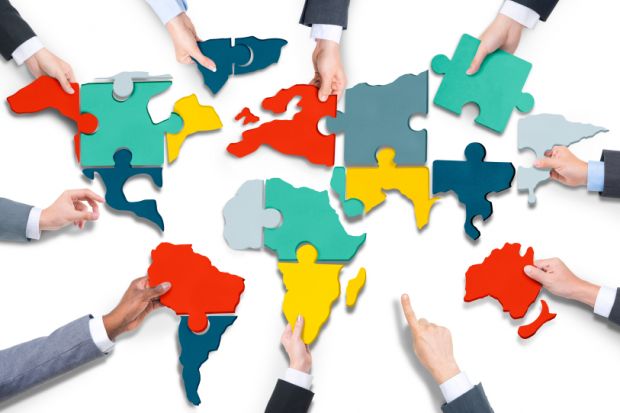
Cross-Cultural Lives – Identity, Belonging, and Relocation
Today, many people have experience moving between countries and cultures. What do these shifts do to us as individuals? How is cross-cultural relocation different at various stages of life? How do we figure out who we are when everything around us changes? In what way is a cross-cultural background a resource for the family, the job market, and society?
In this series of events, we put the topic of cross-cultural upbringing on the agenda. The target audience is adults, and parents of teenagers are particularly welcome. We welcome both those who have personal experience with cross-cultural identity, who live in a cross-cultural environment, and those who work in contexts with great diversity. The events will offer many reflections on how relocation has affected you and who you are today. Many find it helpful and clarifying to ask these questions and to hear how others with similar backgrounds describe it.
The goal is to open up a process where you can become more familiar with yourself, your identity and life story, your resources, and your children’s cross-cultural lives. The program will alternate between presentations of the topic and reflection exercises. There will be time to share your own thoughts and listen to others’ experiences.
The events will be based on Flexid, a course concept for people growing up cross-culturally. Flexid stands for «flexible identity.» The course is particularly tailored to young people. In this autumn’s events, you will get a taste of the course content.
Presentations by Chaplain Jurek Laub, Deacon Eldrid Brekke, General Practitioner Raja Khuram Iqbal, Psychologist Laila Mukhtar, and Psychologist Ingunn Dreyer Ødegaard.
The events are a collaboration between Islamabad Rawalpindi Welfare Society (IRWS), International Health and Social Group (IHSG), and the Norway-Nepal Association, and are supported by the City of Oslo, Welfare Department.
Dates and Program:
📅 October 15: Identity and Belonging. Where do I belong? Who am I? What are CCK/TCK (Cross-Cultural Kids/Third Culture Kids)?
📅 November 12: Relocation – How is the experience of moving between countries different for adults and children? What does it mean to «settle» in a new country? Should one «settle,» and how long does it take? Where is home when you grow up somewhere other than where your parents did?
📅 December 17: Gender – Roles and Expectations, Freedoms and Limitations
What values do we carry with us, and what are the values of the society we live in? As a parent, how should one relate to a new country with different values regarding gender? What are the benefits of getting to know youth culture and understanding more about gender roles and the boundaries young people explore?
The events will take place at Furuset, Oslo – Furuset Library FUBIAK – Hagerupsalen, 2nd floor, from 6:00 PM to 8:30 PM.
Registration: There are 25 spots available, and registration is done by sending an email to post@norge-nepal.no or post@irws.no. The registration deadline is Monday, October 14, at 8:00 PM. For questions, please contact Raja Khuram Iqbal at phone: 95434343.
On the occasion of the Norway-Nepal Association’s 40th anniversary, we will publish interviews with people who have a relationship with the association. Follow along and get to know the association better!
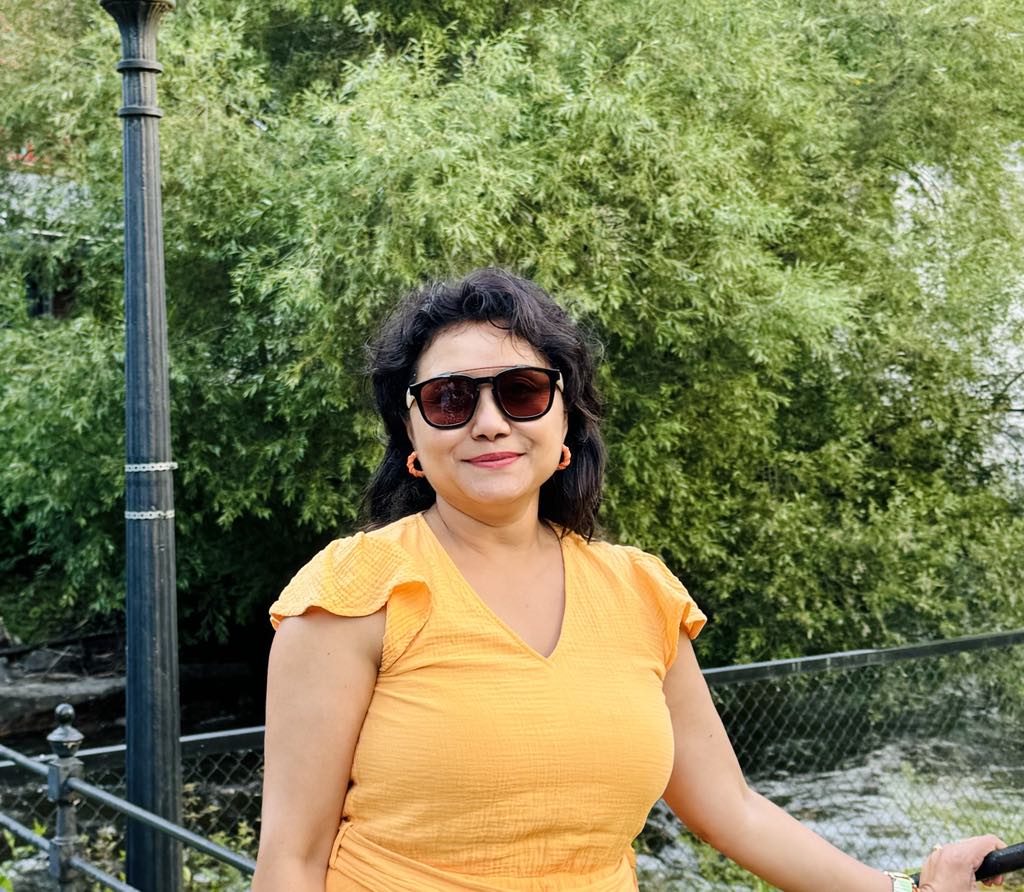
Do you have a favorite memory associated to Norge-Nepal foreningen or a memory that touched you (had an impact)? I have basket full of good memories with NNF, the most favourite one which I recall back is the Panel debate program on Flood and Climate change which arranged by NNF in 2018. It felt quite interesting to be part of the panel discussion, to share my views and experiences working in the climate changes issues in Nepal recollecting my work in the ICIMOD (International Centre for Integrated Mountain Development). As I recall another fond memory is of the cultural program “Promotion of Nepalese Music in Norway” at Vippa Oslo. It was a memorable event as not only it happened in the vibrant food court with flavors from all over the world but also, I am fond of music and culture. It was a fabulous experience for me to organize such an event being in the executive committee. Last but not the least, the collaboration work with Liabratten’ as Seniorgutta in Høybråten and Stovner Sports Club (HISL) as their project ‘Liabratten’ where sherpa have built the stone stairs.
How did you get into the association and what is your connection with NNF ? It was back in 2008, I was in one of the NNF general assembly, where I got the opportunity to meet few Norwegians who were very enthusiastic and interested in Nepal. It was quite impressive to see some of them talking in Nepalese. However the biggest motivation I found was the presentations and talk programs about Nepal.
During 2011, I got a call from one of the executive committee members to be involved in the committee and hence served in the committee until 2021.
What would your vision be for NNF for the next 40 years ? For NNF the time has come up to look at the objectives again and act progressively since world has entered in the global digital village. I think NNF should have long-term and short-term vision considering new challenges as opportunities. The most important thing is to expand the membership not only for numbers but also to make members engage in the NNF programs. Another area NNF can improve is increase the board members. All in all, the most important one is how to make interesting programs, so people keep on their interest and at the same time keeping the good economic condition of the organization.
On the occasion of the Norway-Nepal Association’s 40th anniversary, we will publish interviews with people who have a relationship with the association. Follow along and get to know the association better!
Do you have a favorite memory associated to Norge-Nepal foreningen or a memory that touched you (had an impact)? The warm welcoming atmosphere I experienced from the very first meeting I attended. Seeing Norwegians speaking Nepali and a small newsletter named in Nepali language “Hamro Patrika” with the sketch of Kathmandu valley, was a heart touching moment. It is all about how much Norwegian people love Nepal and Nepalese people. That made me proud of being a Nepali in Norway.
Next the skiing trips and “hytte tur” organized by Olav Myrholt were great.
I discovered that NNF is the place Norwegians who had been to Nepal in different places for a short or long time, have been invited to present their work as well as their experiences about Nepal in different sectors like health, education, technology, tourism and political situation etc.
Delicious Nepali dinners and Norwegian cake desserts after the meetings used to be fantastic. Food and cultural performances in the meetings added an extra attraction to make people come to the meetings, bringing them together.
The talk between Kunda Dixit and Tore Toreng organized by Himal partner and NNF made me aware of the challenges in different regions in Nepal. In that talk they raised the issue of immigration among the young Nepalese. The slogan was «We say ‘development, development, development’, but who do we develop for when there is not anyone left here?». That caused a great impact on me.
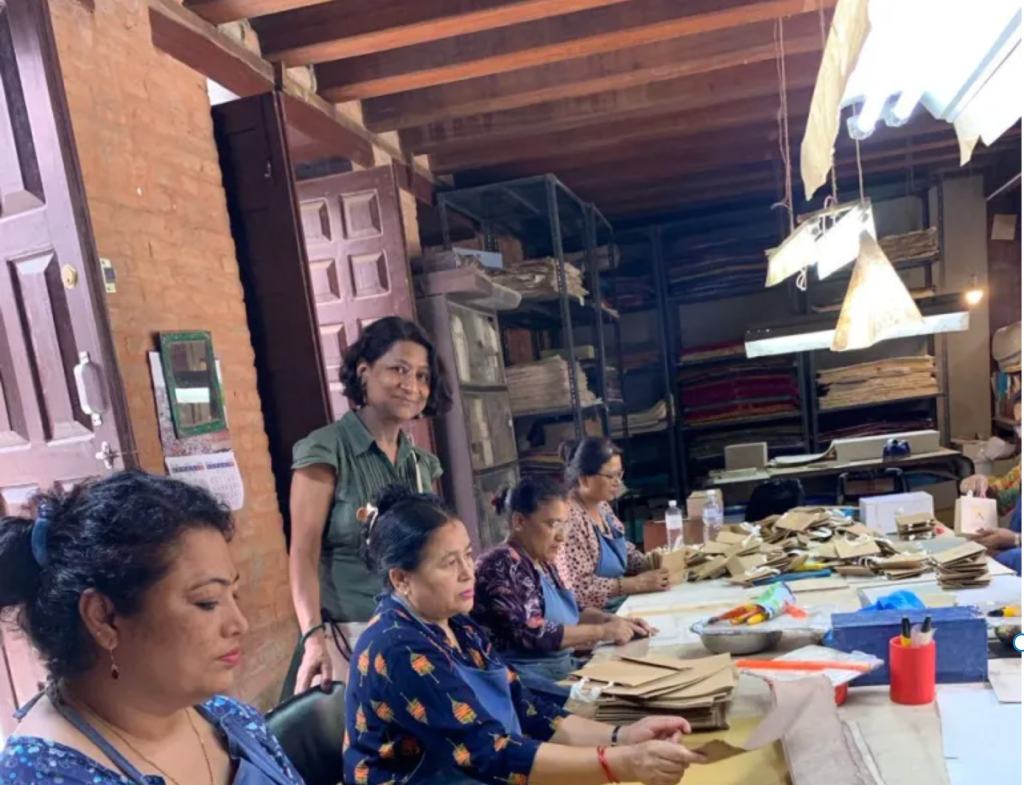
How did you get into the association and what is your connection with NNF ? It was in 1988 (36 years ago) I was informed about NNF by Nepalese living in Norway. At that time there were only a handful of Nepali people in Norway. Every time there would be a meeting/ gathering at NNF I waited for that evening with great anticipation and happiness for meeting people.
I joined the board for a short time while I was staying in Oslo. Then after living 10 years in the north of Norway, this limited my contact with NNF. Lately I have joined the election committee to contribute again.
What would your vision be for NNF for the next 40 years ? NNF will still be connecting people, being a meeting place for both Norwegians and Nepalese where we can enjoy each others company and share each others knowledge.
Through cultural exchange and information we share, we create a strong bond and respect between each other and our countries.
NNF will continue inviting experts from both countries as well as collaborate with other organizations like they are doing today. Raising issues and spreading knowledge to make Nepalese more attached to their country to contribute to its development.
Nepal is now suffering from massive emmigration to other countries among young people. As these are the future of the country, I hope that NNF focuses on themes that would make interested Norwegians contribute to influence people in Nepal to understand the value of their country and stay in it.
I thank you for giving me the opportunity to share my experience with NNF so far.
 Norge-Nepalforeningen